Remix: start from a finished site, not a blank page
How remixing a community site works, what carries over and what starts fresh, how to remix well instead of renaming someone else's work, and how to share your own site.
The hardest part of a website is the first version. Remix skips it. Find a site in the community that does something you love, press Remix, and it becomes a project of your own: the same code, the same plan, ready to change.
Then you talk to the agent. "Make this about my coffee roastery." "Keep the descent, but it is a mountain, and we are going up." Point at a section and say what is wrong. The site turns into yours.
How remix works
- Find a site. Browse the community by tag, or sort by featured, newest or most remixed.
- Press Remix. If you are signed out, you sign in and land back where you were.
- Get your copy. A new project appears with the published site's files and the plan behind it. It is ready straight away, with no build to wait for.
- Say what to change. The agent opens the chat by asking what you want to change. Answer in plain words, point at the page, or open the code.
- Publish. Your remix gets its own laarpi.site address, and a custom domain on paid plans.
Creating the remix is free. Every change after that is an ordinary turn and uses credits by what it really costs.
Remix is not a template
| A template | A remix | |
|---|---|---|
| Made for | Everyone, so nobody in particular | One specific idea |
| What you get | Empty blocks to fill | A finished, working site and the plan that explains it |
| How you change it | Drag, drop, replace | Tell a coding agent, point at the page, or edit the code |
| Where it can go | As far as the template allows | Anywhere: the agent can rewrite the concept, the structure or the code |
| Backend | Whatever the template supports | Your own Supabase and Polar, connected |
A template is a container for your content. A remix is a finished argument for someone else's idea, which you can bend into an argument for yours.
How to remix well
A remix that only changes the words looks like the original with a different name. The best remixes keep one thing and change the rest.
- Keep the structure, change the subject. The ocean descent becomes a climb, a dig, a journey through a building's floors.
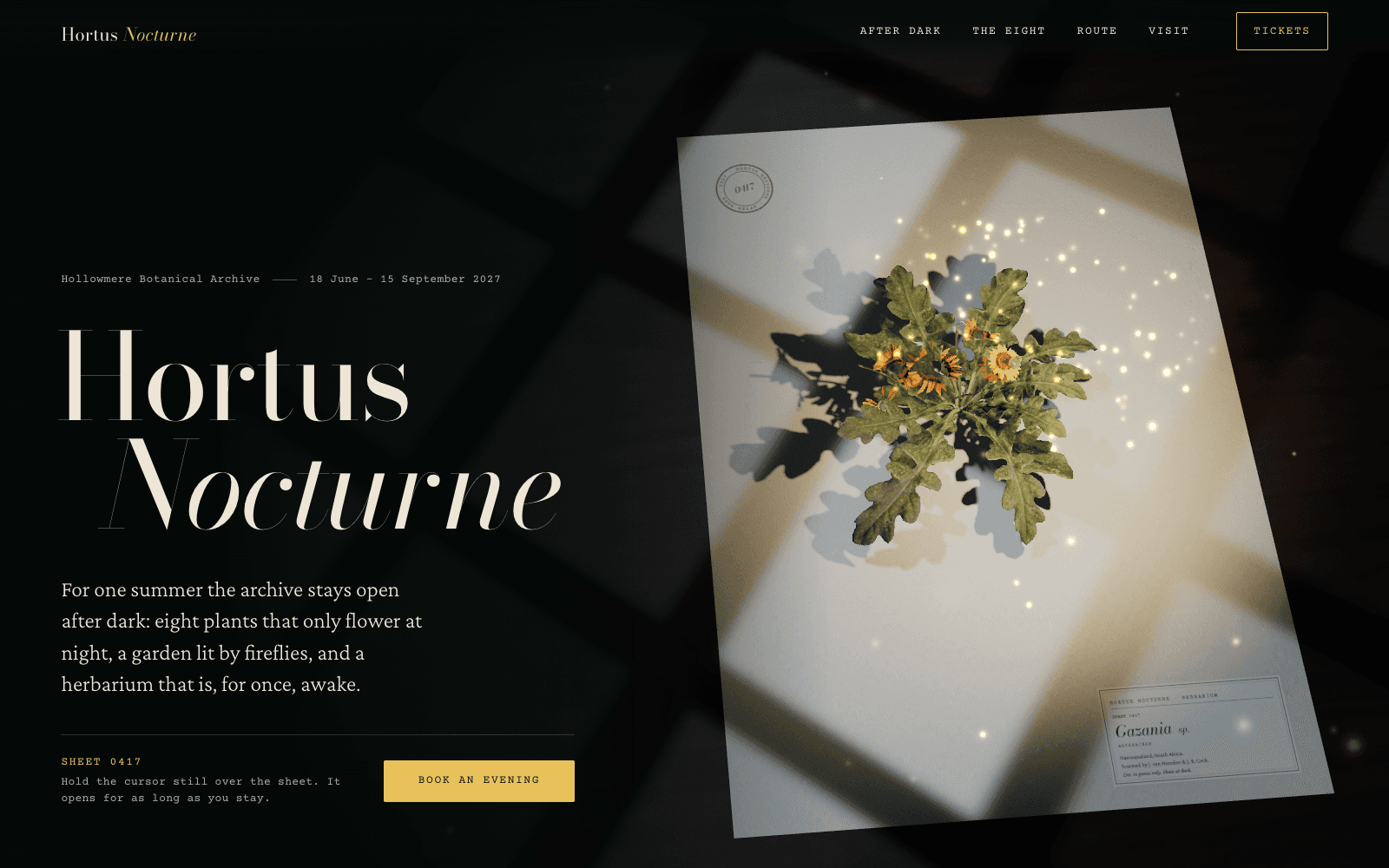
- Keep the idea, change the look. The same story in another style: the night garden in daylight, the festival in print.
- Keep the plan, change the audience. A festival site written for clubbers becomes the same festival explained to families on its day programme: same structure, new voice, new priorities on the page.
- Keep the craft, change everything else. Study how the original pins its chapters or lights its object, then ask the agent for a different concept built with the same care.

What could each site become?
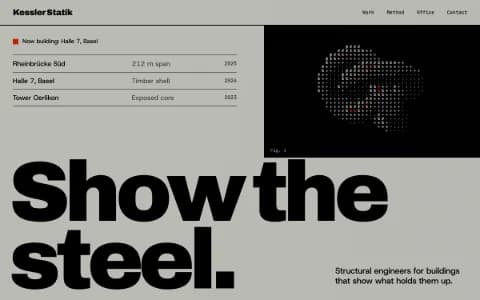
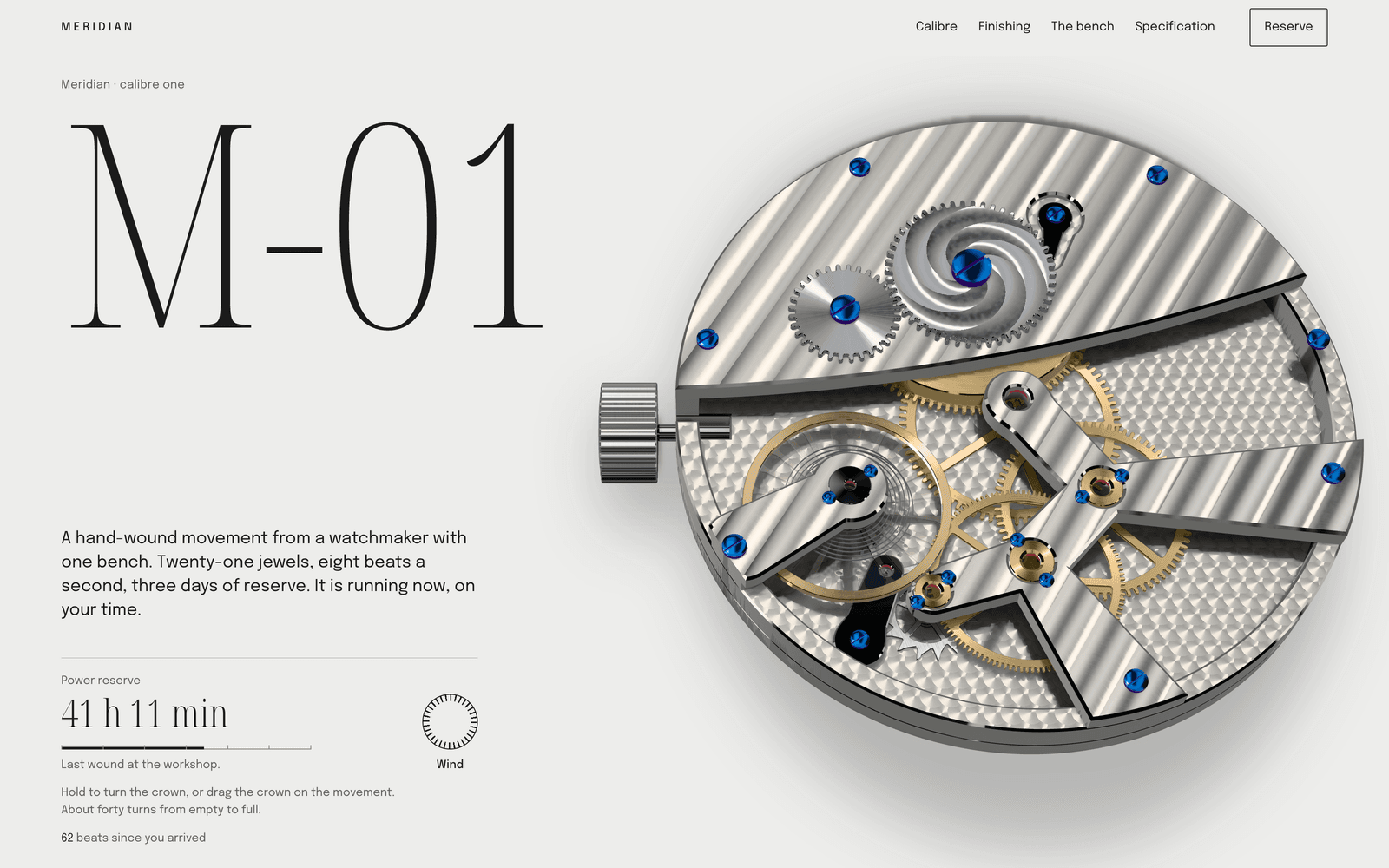
The featured sites are built around one idea each. Here is what that idea could carry next:
| Remix this | Its idea | Could become |
|---|---|---|
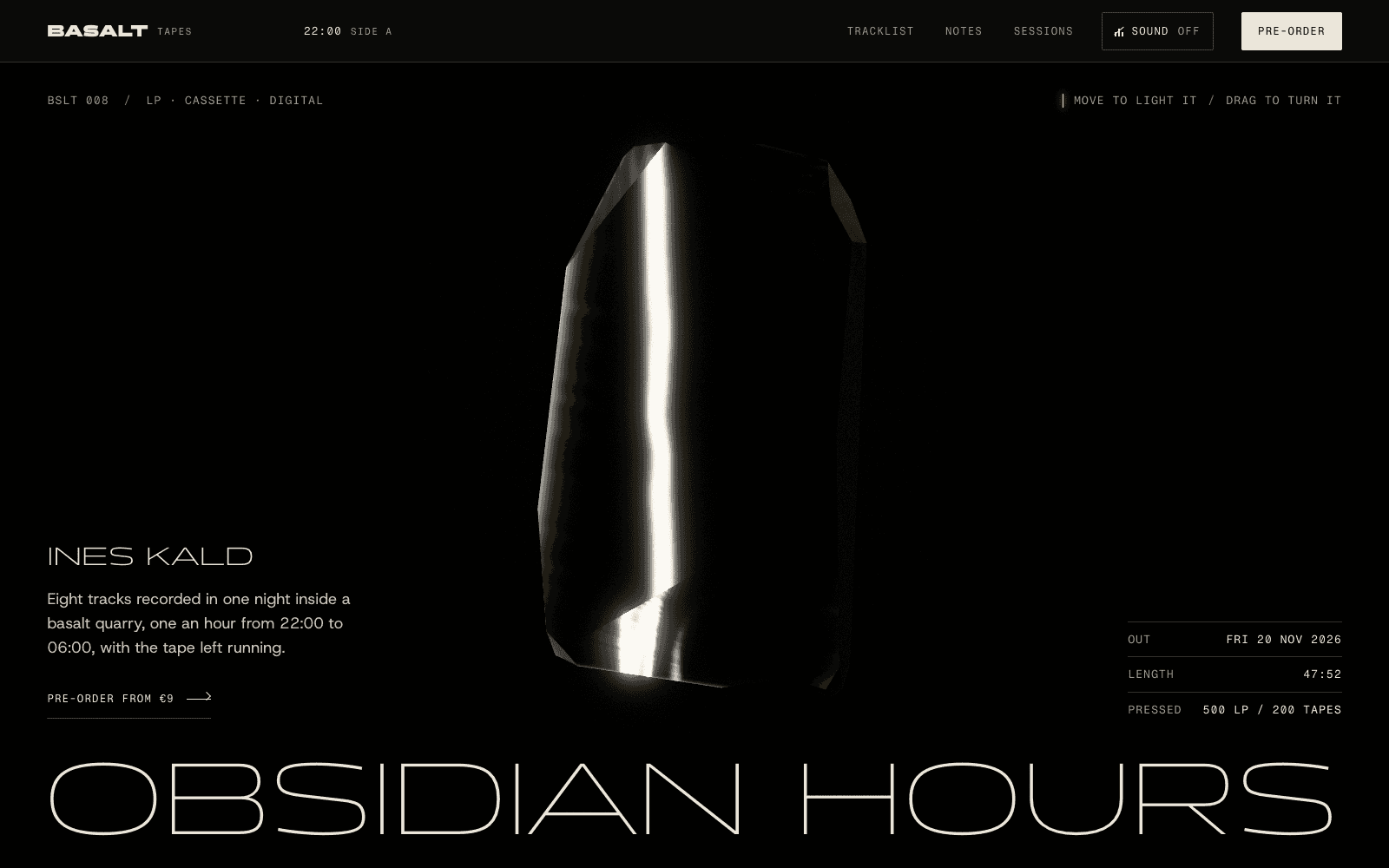
| The obsidian record | An object you light, turn and break into parts | A fragrance launch, a watch, a book with chapters |
| The trench descent | Scroll position is a measured journey | A mountain ascent, a mine, a tall building, a timeline |
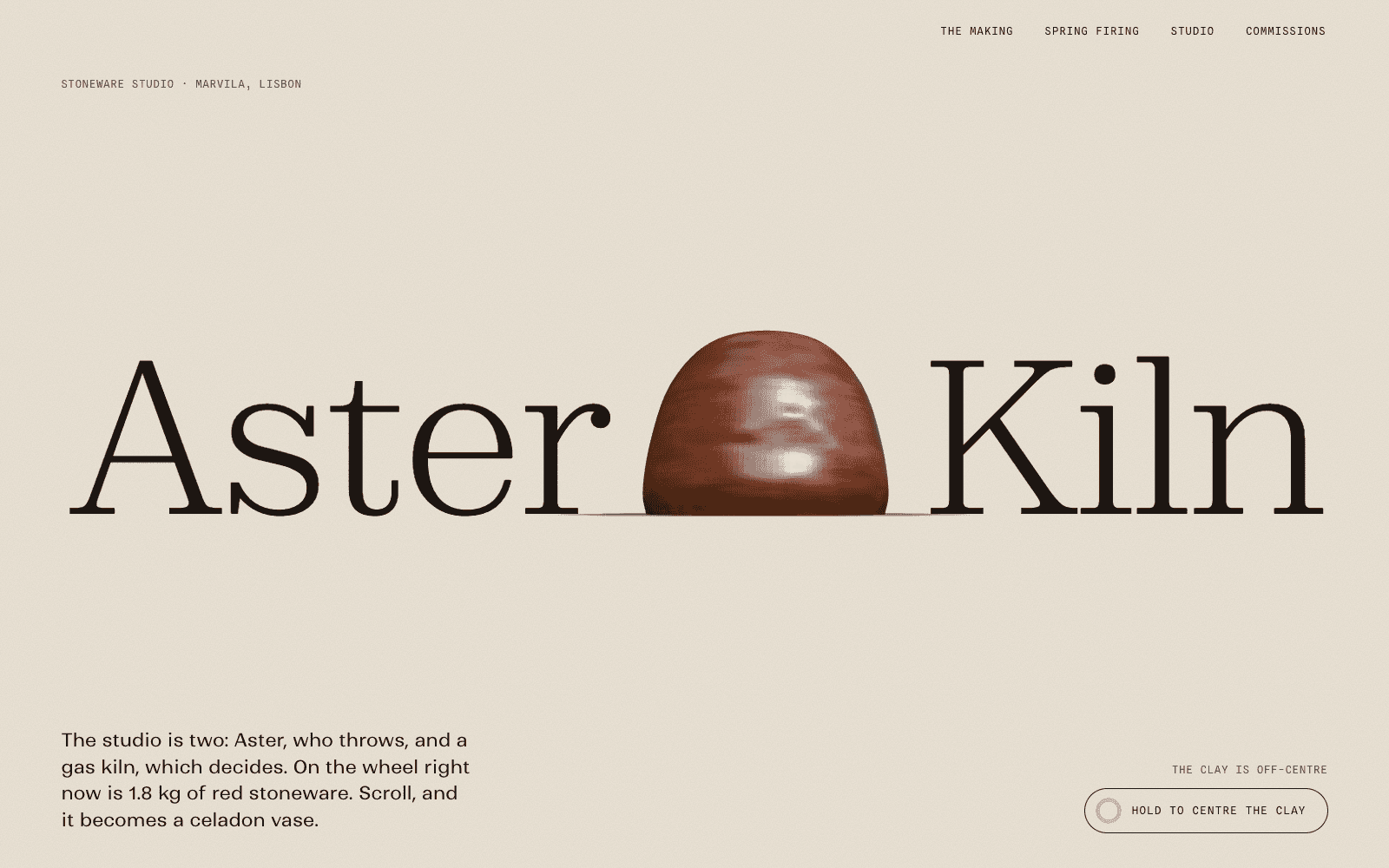
| The ceramics studio | Watch one thing get made, then buy it | A coffee roaster, a bakery, a bike builder |
| The fluorescent festival | Type you can stir, timed to the music | A gallery opening, a club night, a record label |
| The night garden | Something that responds only to attention | An exhibition, a perfume, a meditation practice |
| The synth module | The website is the product, playable | Any hardware launch: a camera, a keyboard, a lamp |
Open any of them in the community to see it live, then remix it: the obsidian record, the trench descent, the ceramics studio, the fluorescent festival, the night garden and the synth module.
What carries over, and what does not
| Carries over to your remix | Starts fresh |
|---|---|
| Every file of the published site | Version history: your remix starts its own |
| The plan: concept, story, type, colour, motion | Supabase and Polar: connect your own accounts |
| Open-source asset credits | The address: your remix gets its own |
| The look and the code, ready to change | Community listing: share it yourself if you want to |
Nothing you do to your remix changes the original, and nothing the original's author does later changes yours.
Share your own site to the community
When you publish, you can share the site to the community. Sharing is always opt-in.
- Requires a published site. Only live sites can be shared.
- You choose how it appears: a title, a one-line description and tags.
- It shows real numbers: views (counted once per visitor per day, with nothing personal stored) and remixes, both starting at zero.
- Unlist it at any time. It disappears from the community, and nobody new can remix it.
Each shared site gets its own public page with the live site, your name and a Remix button, so good work keeps finding new people.
Credit and rights
Your remix records which site it came from. Open-source assets in the original stay credited in your copy's credits file and footer; keep those credits if you keep the assets.
A remix gives you a starting point for design and code. It does not give you rights to the original's name, logo, words or photographs. Replace them with your own before you publish.

Start from the right place
Not sure what to remix? Start with the sites that match your project: launches, events, portfolios. Or start from a sentence with the AI website builder, and read how it works to see what happens after you press Start building.